Grand Chase Tier List 2026: Best Heroes for PvE, PvP, and Every Role
Coming back to GrandChase after a long break can be pretty brutal. You remember Elesis, Lire, Arme, Lass, and the rest of the classic crew, log into the mobile game, and suddenly there are Job Change heroes, Special versions, Chaser skills, Soul Imprint, Spirit upgrades, multiple attributes, and enough progression systems to make an old account feel brand new.
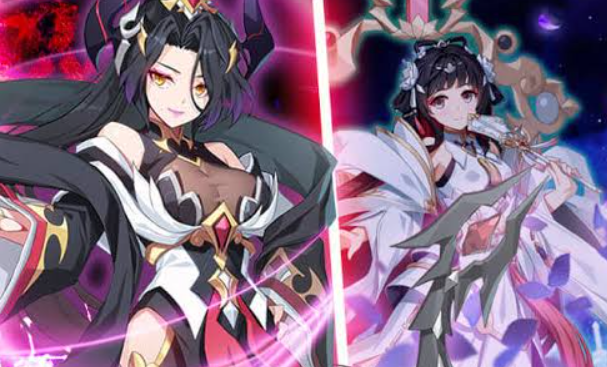
That is exactly why a current grand chase tier list needs more context than simply putting twenty portraits into S tier. GrandChase has reached the point where the strongest hero depends heavily on the activity, attribute matchup, progression level, and the other three characters in the party. A hero that destroys Adventure stages may not be my first choice for PvP, while a support that barely deals damage can be the reason an endgame boss team works at all.
This guide focuses specifically on GrandChase: Dimensional Chaser, the mobile RPG, rather than GrandChase Classic on PC. That distinction matters because systems such as Assault, Mage, Ranger, Tank and Healer hero types, Chaser skills, and Soul Imprint belong to the mobile game. As of August 2026, the Global mobile version is still actively receiving updates, with recent additions and progression updates including Ayla, Bastet, Cindy's Spirit progression, and new high-rank Raid equipment.
With that cleared up, here is how I would approach the current roster as a player.
I. Introduction to the Grand Chase Tier List
A. Purpose of a Tier List
The purpose of a grand chase tier list is not to tell you which characters you are allowed to play. It is mainly there to answer a much more practical question: where should limited progression resources go first?
That matters because getting a hero is only the beginning. A serious character eventually wants awakening, transcendence, Chaser development, Soul Imprint investment, equipment, traits, Exclusive Equipment, and now newer progression layers for eligible characters. Building every hero simultaneously is an easy way to end up with a huge roster where nobody is actually strong.
A tier list helps narrow the field.
B. How Rankings Help New and Returning Players
For beginners, rankings help prevent the classic mistake of heavily investing in a hero you replace almost immediately.
For returning players, they are arguably even more useful. GrandChase has experienced years of power creep, alternate forms, Job Change characters, Special heroes, new attributes, Soul Imprint upgrades, and more recent Spirit progression. A team that was considered incredible three years ago may now be mostly a nostalgia lineup.
The good news is that modern catch-up systems are much more generous than the original game. The Assemble! GrandChase system, for example, supports a large group of heroes all the way to Soul Imprint Rank 15, which dramatically reduces the pain of rebuilding an account.
C. What This Guide Covers
I will rank major heroes from S through D tier, then separate recommendations by Assault, Mage, Tank, Healer and Ranger.
After that, I will cover PvE, PvP, bosses, team composition, character progression, reroll priorities, and how GrandChase's constantly expanding progression systems affect the meta.
II. What Is GrandChase?
A. Game Overview and History
GrandChase: Dimensional Chaser is a real-time action RPG developed by KOG as the mobile continuation of the original GrandChase universe.
Instead of controlling one character like the old side-scrolling PC title, the mobile game has you command a party of four heroes plus a pet. You move the party around the battlefield, gather enemies, manually cast abilities, and build teams around damage, protection, healing, crowd control, and attribute synergy.
KOG describes the mobile game as the sequel to its original PC GrandChase and now features well over 100 heroes across the original cast and mobile-exclusive characters.
B. Developer Background
KOG is the Korean developer behind GrandChase and the company responsible for maintaining the mobile version today.
Longtime players will probably recognize how aggressively the company has expanded the original cast. Characters like Elesis and Arme now exist alongside later additions such as Tia, Europa, Ganymede, Callisto, Ragnar, Urara, Vice, Metatron, Iyoung, Ayla and many others.
Then you have alternate versions such as Job Change heroes and Special heroes, which makes comparing characters much more complicated than it was at launch.
C. Available Platforms
The mobile version is available on Android and iOS.
Do not confuse it with GrandChase Classic, the PC revival of the original side-scrolling game. They share characters and lore, but their combat systems, progression, classes, and tier lists are completely different.
III. How Tier List Rankings Work
A. Explanation of S, A, B, C, and D Tiers
For this guide, I use the following system:
S Tier: Top investment targets with excellent performance in important content.
A Tier: Strong characters that remain competitive but may need a specific attribute, mode, or composition.
B Tier: Completely usable characters that have more obvious replacements.
C Tier: Niche or heavily power-crept heroes.
D Tier: Characters I would not prioritize for combat progression on a new account unless I need them for collection bonuses, account systems, or simply like the character.
B. What Separates Overpowered From Average Heroes
Modern GrandChase characters tend to separate themselves through multiplication.
A strong DPS does not simply have higher ATK. They may increase final damage, add Battle Power-based damage, reduce enemy resistance, improve Chaser generation, exploit attributes, chain repeated skill effects, or benefit enormously from Soul Imprint.
Likewise, an elite support does much more than heal. The best supports can increase damage, accelerate resources, shield, cleanse, revive, reduce incoming damage, and enable the specific attribute being used.
That is what creates modern meta characters.
C. Ranking Criteria Used
My rankings consider:
Overall DPS potential
Skill damage
Critical performance
Survivability
Healing and shielding
Buffing
Enemy debuffs
Chaser generation
Soul Imprint performance
Attribute synergy
PvE usefulness
PvP usefulness
Value after heavy investment
I also give extra credit to heroes that work in several different modes.
IV. S Tier Characters
A. Overview of the Strongest Heroes
Because GrandChase now has so many specialized teams, I prefer treating S tier as a pool rather than pretending one character is definitively number one.
My general 2026 S-tier group includes characters and variants such as:
| Role | S-Tier Candidates |
|---|---|
| Assault | Elesis, Callisto, Europa, Kanavan, Edel |
| Mage | Ai, Metatron, Vice, Ganymede, Nelia, Veigas |
| Ranger | Lire, Uno, Bastet, Bastet, Io, Ragnar |
| Tank | Tia, Ai, Jin, Ryan, Zero |
| Healer/Support | Amy, Urara, Cindy, Hwarin, Grandiel, Io |
I would also treat the newest specialized SR and Job Change characters carefully because fresh heroes are often designed specifically for newer content.
B. Why These Characters Dominate the Current Meta
Elesis offers aggressive Assault performance with mechanics that scale extremely well once her advanced systems are developed.
Lire is one of the safest Ranger damage investments for PvE and boss-focused teams. She is especially attractive because Ranger DPS scales very effectively when the rest of the party is built to amplify her.
Ai remains one of the most versatile Mage choices. Her kit combines magic damage with enemy weakening, Chaser interaction, shield-related utility and strong PvP pressure.
Metatron brings the kind of modern kit I expect from a later-era character: strong output combined with mechanics designed around current attribute-focused teams.
Tia has remained relevant for an impressive amount of time because her defensive kit also provides crowd control and enemy weakening rather than simply turning her into an HP wall.
For support, Amy, Urara, Cindy, Hwarin, and newer advanced versions of older support characters are often more valuable than adding another damage dealer.
C. Recommended Investment Priority
If I were starting with limited materials, I would generally prioritize:
1. One strong DPS
2. One strong support/healer
3. One compatible tank
4. A second DPS or utility character
Do not try to max every S-tier character immediately.
A fully developed four-character team is far more useful than ten half-finished S-tier units.
V. A Tier Characters
A. Strong All-Around Performers
A-tier heroes I still consider very worthwhile include:
Lass, Sol, Decanee, Arme, Mari, Lapis, Nepteon, Iyoung, Werner, Deia, Ronan, Myst, Brammashell, Lime, Rin, Serdin, Mayden and Asin.
Several of these heroes can move into S tier in the right content.
Iyoung, for example, is a relatively recent Ranger and brings modern mechanics that can be excellent when the appropriate team and attribute are used.
Decanee is much more dangerous in PvP-oriented situations than a basic general PvE ranking might suggest.
B. Situational Strengths and Weaknesses
Lapis is a good example of an A-tier character I would not call weak. She can deal serious damage, but depending on progression and current content, Lire or newer Ranger options may offer a better return.
Ronan remains a dependable tank when protection and invulnerability-style utility matter.
Rin gains value when removal and support utility become more important than raw healing.
C. When to Prioritize A Tier Over S Tier
Attribute synergy is the biggest reason.
If the boss strongly favors your developed A-tier attribute team, forcing an unrelated S-tier hero into the lineup can reduce your total damage.
Another reason is progression. An A-tier hero at Soul Imprint 15 with optimized equipment will usually destroy an S-tier character sitting at basic awakening.
Build what your account can actually support.
VI. B Tier and Lower-Tier Characters
A. Solid but Replaceable Heroes
B tier contains characters that can still clear content but are no longer my first recommendation.
Examples include older versions of characters such as Sieghart, Dio, Olivia, Myrielle, Agios, Rasel and several launch-era SR heroes whose original kits have been surpassed by later variants.
Some can become considerably better after newer progression updates, so this section is naturally more volatile than the top tiers.
B. Characters Best Avoided
For new accounts, I would avoid heavy investment in characters that have:
Outdated skill scaling
Weak Soul Imprint returns
Little team utility
Poor attribute synergy
A clearly superior Job Change or Special alternative
No meaningful use in your current PvE teams
That does not mean deleting them.
Collection progression matters in GrandChase, and unusual heroes can have uses outside direct combat.
C. Situations Where Lower-Tier Heroes Still Work
Some characters provide account bonuses or farming value even when you never place them in your main party.
That is why I still keep heroes rather than treating anything below B tier as garbage.
GrandChase rewards broad collection development much more than many RPGs do.
VII. Best Characters by Role: Assault
A. Top Assault Damage Dealers
My preferred Assault options include:
Elesis
Callisto
Europa
Kanavan
Edel
Lass
Sol
Elesis is the easiest premium recommendation.
Europa remains a great example of an Assault hero whose usefulness goes beyond just personal damage.
Callisto and Kanavan can also be excellent when their attributes and team buffs align with the content.
B. Assault Positioning Tips
Assault characters naturally want to get into the enemy formation, but that does not mean you should let them charge ahead alone.
I usually move the team together, let the Tank establish the engagement, gather enemies where possible, and then send Assault damage into the packed group.
In PvP, diving too early can get an Assault hero immediately controlled and deleted.
C. Best Assault Team Pairings
Pair Assault DPS with:
A Tank that amplifies the same attribute
A healer that keeps aggressive units alive
A Mage or Ranger that benefits from the same debuffs
Supports that increase final damage or Chaser generation
Team-wide scaling is more important than stacking several Assault heroes.
VIII. Best Characters by Role: Mage
A. Top Magic Damage Dealers
My Mage shortlist includes:
Ai
Metatron
Vice
Ganymede
Nelia
Veigas
Ayla
Decanee
Arme
Ayla is particularly interesting because she joined the Global roster in 2026. She is a Cycle-attribute Mage with stacking Lullaby mechanics, strong multi-target pressure and additional Soul Imprint effects aimed at Cycle team synergy.
B. Crowd Control and AoE Skills
Mages are usually at their best when enemies are grouped.
Ai combines broad damage with debuffs and resource manipulation.
Ayla can repeatedly pressure groups while applying Lullaby.
Veigas has historically been excellent when battlefield control and clustered burst damage are useful.
C. Positioning Behind Tanks
GrandChase does not use a rigid front-row/back-row grid, but positioning still matters.
Keep fragile Mages behind your initial engagement and avoid dragging them directly through hostile AoE.
Manual movement becomes much more valuable in difficult stages than it seems during early Adventure mode.
IX. Best Characters by Role: Tank
A. Top Defensive Frontline Heroes
My current Tank priorities include:
Tia
Ai
Jin
Ryan
Zero
Ronan
Brammashell
Myst
Do not automatically choose whichever Tank has the most defensive Battle Power.
The better question is what that Tank contributes to the other three heroes.
B. Damage Mitigation and Shielding Skills
A good Tank may offer:
Damage reduction
Shields
Healing
Enemy damage reduction
Crowd control
Buff removal
Increased damage received debuffs
Attribute-specific bonuses
Tia remains a great example because her kit can freeze enemies, weaken them and improve the team's ability to survive.
C. Tank and Healer Synergy
Tanks and healers should solve different problems.
If your Tank already provides huge damage mitigation, adding the most defensive healer available may be unnecessary.
Sometimes replacing pure healing with an offensive support produces a much faster and equally safe clear.
X. Best Characters by Role: Healer and Support
A. Top Healing and Buffing Characters
My preferred supports include:
Amy
Urara
Cindy
Hwarin
Grandiel
Io
Lime
Rin
Serdin
Amy has stayed relevant through multiple eras because resource generation and team support are always valuable.
Cindy has also remained important enough to receive a Spirit update in the August 2026 Global client, showing that current progression continues to reshape older characters.
B. Debuff and Utility Skills
Modern healers are rarely just HP batteries.
Depending on the character, they may provide:
Chaser resources
Damage amplification
Revives
Cleanse
Shields
Attack buffs
Cooldown support
Attribute bonuses
In endgame PvE, these extras are usually what determine which healer enters the team.
C. Pairing Healers With Damage Dealers
If your DPS depends heavily on frequent Chaser skills, bring a support that feeds resources.
If the encounter constantly applies harmful effects, prioritize cleansing.
If survival is easy, pick the healer that gives the largest offensive contribution.
Do not choose support characters in isolation.
XI. Best Characters by Role: Ranger
A. Top Ranged Damage Dealers
Rangers are one of my favorite classes for boss-focused damage.
Strong options include:
Lire
Uno
Bastet
Bastet
Io
Ragnar
Iyoung
Nepteon
Lapis
Werner
Deia
Bastet is especially relevant to 2026 players because her Job Change version arrived in the Global update cycle this summer. Her kit emphasizes physical damage, multi-target pressure and Retribution-related content.
B. Ranged Positioning Strategy
Keep Rangers away from boss hitboxes whenever possible.
Because most of their value comes from uninterrupted damage, every second spent knocked down, stunned or forced to reposition is lost DPS.
Use the Tank to control enemy direction while the Ranger attacks from safety.
C. Ranger Skill Effects
Modern Rangers may bring more than basic attacks.
Look for effects that:
Increase physical damage received
Increase critical output
Deal Battle Power-based damage
Amplify Ranger damage
Trigger repeated additional attacks
Exploit specific attributes
That is why reading the full Soul Imprint and advanced skill descriptions matters.
XII. PvE Tier List Considerations
A. Best Characters for Adventure Mode
For Adventure, I prefer characters with:
Good AoE
Low downtime
Reliable sustain
Easy auto performance
Strong gathering or multi-target skills
Ai, Elesis, Lire, Ganymede, Vice, Metatron, Amy, Cindy and flexible Tanks can all fit comfortably depending on attribute.
Early Adventure is forgiving enough that I would prioritize progressing one coherent team rather than constantly switching to counter every stage.
B. Boss and Dimensional Beast Performance
Boss teams work differently.
Single-target damage, attribute advantage and amplification become much more important than fast wave clearing.
A boss team might use one main Ranger or Mage DPS, one Tank or amplifier, one secondary damage/support character and one healer.
For scoring content such as Dimensional Beast, maximizing damage over the entire timer matters more than simply surviving.
C. Farming and Clear-Speed Factors
Clear speed is important because GrandChase involves repetition.
A character that saves fifteen seconds per run may not sound exciting, but after hundreds of clears that difference becomes enormous.
That is why AoE heroes are often worth building even if their theoretical boss DPS is lower.
XIII. PvP Tier List Considerations
A. Best Characters for Player-Versus-Player Content
PvP has its own meta.
Heroes such as Ai, Zero, Bastet, Decanee, Tia, Hwarin, Ragnar variants, Asin variants, Metatron and other Cycle/Ruin-focused units have all found PvP value depending on the season.
The important part is that PvP is much less about standing still and comparing DPS.
B. Burst Damage and Buff/Debuff Impact
Strong PvP teams often win through:
Immediate burst
Silence
Shield destruction
Healing reduction
Chaser denial
Crowd control
Buff removal
Invincibility
Revival
Anti-attribute mechanics
Ai is a good example because her Chaser and Soul Imprint effects can interfere with shields, healing and enemy Chaser generation rather than relying solely on damage.
C. Team Composition for PvP Matches
I prefer building around one clear win condition.
A burst team wants enough protection to survive until its DPS fires.
A control team wants repeated debuffs and Chaser denial.
A defensive composition wants revival, shields and punishment mechanics.
Randomly combining four popular heroes usually performs worse than choosing characters whose mechanics actually interact.
XIV. Endgame Content Rankings
A. Void and Tower of Disappearance Performance
There is an important terminology issue here.
Tower of Disappearance and Void Invasion are GrandChase Classic content, not the primary endgame modes of GrandChase: Dimensional Chaser. The two games are often mixed together in older guides because they share the GrandChase name.
For the mobile game covered by this tier list, I would judge endgame characters through content such as high-rank Raids, World Boss, Boss Attack, Altar of Time, Illusion Arena and advanced Adventure progression.
The core principle is still the same: endgame favors specialized attribute teams far more than early story content.
B. Awakening Skills and Skill Enhancement
Early progression gives heroes stats.
Later progression increasingly changes how they actually function.
Awakening and transcendence open the path toward Chaser development, while advanced skill upgrades improve the abilities you rely on most.
Do not spread resources randomly across every node just because you unlocked it.
C. Soul Imprint Impact on Rankings
Soul Imprint is one of the biggest reasons old tier lists fail.
At higher Soul Imprint levels, characters gain major passive upgrades, enhanced skills and Imprint-state effects that can completely transform their damage or utility.
Ayla, for instance, receives additional Lullaby interactions, Chaser-related effects and stronger Cycle-team synergy through her Imprint progression.
When comparing heroes, compare them at equivalent progression.
XV. Building the Best Team Composition
A. Balancing Roles Across a Team
My safest general structure is:
Tank + Main DPS + Secondary DPS/Support + Healer
But that is only the starting point.
If survival is easy, remove the Tank or secondary defensive slot and add more damage.
If a boss hits extremely hard, keep both Tank and healer.
B. Team Synergy Over Raw Power
Synergy beats Battle Power.
I have seen higher-BP teams perform worse simply because the characters amplify different attributes or damage types.
A strong team has a plan:
One hero increases enemy damage taken.
Another provides resources.
The Tank protects everyone.
The DPS exploits all of those bonuses.
That is much stronger than four independent damage dealers.
C. Common Team-Building Mistakes
The biggest mistakes are:
Building only one attribute. Endgame eventually expects broader coverage.
Ignoring supports. DPS screenshots look cool, but support multipliers create those screenshots.
Using old tier lists. A 2022 recommendation can be badly outdated today.
Spreading Soul Imprint resources too widely.
Ignoring Job Change and Special versions.
Thinking Battle Power equals actual performance.
It does not.
XVI. Character Progression and Investment
A. Enchanting the Right Traits
Traits should reinforce what the hero actually does.
For offensive characters, useful priorities commonly revolve around:
Attack
Critical-related stats
Skill damage
Cooldown reduction
Attack speed
The exact build depends on whether the hero's damage comes from basic attacks, repeated skills, Chaser damage or Battle Power scaling.
B. Upgrade and Evolve Systems
Modern progression generally moves through several stages:
Obtain the hero.
Develop awakening and transcendence.
Build Chaser progression.
Develop Soul Imprint.
Optimize equipment and accessories.
Improve Exclusive Equipment.
Work on newer advanced systems available to the character.
The current game is much more generous with older progression layers than it once was, so returning players should use catch-up events before spending premium materials manually.
C. Gacha Pull Priority
My pull rule in 2026 is simple:
Do not spend heavily on an older character you can easily obtain through selectors or growth systems.
Recent SR heroes are normally the higher priority because they may not immediately enter older selector pools.
Community advice for returning players in mid-2026 has specifically emphasized preserving pulls for newer additions such as Ayla, Iyoung, Myrielle and Metatron, while using the game's generous selectors and growth systems for older roster needs.
XVII. Reroll Guide and Early-Game Priorities
A. When Rerolling Is Worth It
Rerolling is far less important today than it was at launch.
Modern GrandChase showers new players with selectors, free summons, growth events and the Assemble! GrandChase system. Assemble alone can eventually support 25 heroes to Soul Imprint Rank 15.
Personally, I would rather start playing and unlock those systems than spend hours restarting for one perfect opening summon.
B. Best Characters to Reroll For
If you insist on rerolling, prioritize a recent hero who is difficult to obtain through normal selector tickets.
Good targets depend on the active banner, but recent characters such as Ayla and other newer SR releases make more sense than rerolling for an old character the game will eventually hand you through growth support.
Do not reroll for a Job Change hero without first checking how that specific alternate form is unlocked.
C. Early Game Team-Building Tips
Early on, build:
1 Tank
1 strong DPS
1 secondary DPS
1 healer
Then work toward multiple attribute teams.
Do not panic when you see veterans talking about dozens of maxed Soul Imprint characters. The current game gives beginners much more catch-up support than those veterans originally had.
XVIII. How Tier Lists Change Over Time
A. Impact of Balance Patches and Reworks
GrandChase tier lists age quickly because KOG regularly upgrades old characters.
Soul Imprint already caused major ranking shifts. Job Change heroes did it again. Special heroes changed things further, and newer Spirit upgrades are now capable of bringing older characters back into serious discussion.
The August 2026 client, for example, includes Cindy's Spirit update, while Elesis and Arme are also part of the latest Spirit development cycle.
B. New Character Releases
New heroes naturally create power creep.
In 2026 alone, the Global version added or progressed characters including Iyoung, Ayla and Bastet while continuing to preview additional characters.
This means a tier list can move substantially in only two or three major patches.
C. How Often Rankings Are Updated
For casual play, checking the meta every few months is enough.
For competitive PvP, high-level boss scoring or maximum-efficiency endgame progression, I would check after every major hero release, Job Change update, Spirit update or significant rebalance.
The official community and active player guides are generally more useful than static tier-list websites for highly specialized team compositions.
XIX. Frequently Asked Questions About the Grand Chase Tier List
A. Who Are the Overall Best Characters?
There is no universal top four, but I would place heroes and variants such as Elesis, Lire, Ai, Metatron, Vice, Bastet/Bastet, Tia, Amy, Urara, Cindy and strong recent Job Change or Special heroes among the most valuable current investments.
The exact best hero depends on attribute and game mode.
B. Does Team Synergy Matter More Than Tier Placement?
Yes.
Once you enter serious PvE, team synergy matters more than whether every individual character has an S beside their name.
An A-tier DPS with three perfect teammates can outperform an S-tier DPS placed into the wrong attribute team.
The same applies to PvP, where counters are often more important than theoretical damage rankings.
C. How Do I Check for the Latest Tier List Updates?
Check the game's latest patch information first.
Then compare that information with active community teams for the exact content you want to clear.
I normally look at:
Recently released heroes
New Job Change characters
Spirit upgrades
Balance adjustments
Current high-ranking PvP teams
Boss and World Boss compositions
Attribute-specific PvE teams
If a tier list has not been updated after several major character releases, I would not use it to make expensive investment decisions.
The most important thing to understand about this grand chase tier list is that GrandChase has moved well beyond the era where one four-character lineup could dominate the entire game. Modern team building revolves around attributes, advanced character variants, Soul Imprint, Chaser progression, Spirit upgrades, and matching the right hero to the right activity.
For a new or returning player in 2026, characters such as Elesis, Lire, Ai, Metatron, Vice, Bastet and Bastet, Tia, Amy, Urara, Cindy, Hwarin, Callisto, Europa and Ganymede are all names worth understanding. But I would never recommend trying to build all of them at once.
Start with one strong team. Pick a main DPS, give that character a Tank and support core that actually improves their damage, and use the modern catch-up systems to expand your roster without wasting premium resources. Once the first team comfortably clears progression content, start developing additional attributes for bosses and late-game modes.
For beginners, I also would not obsess over rerolling. GrandChase is much more generous with developed heroes than it used to be, and Assemble! GrandChase alone can eventually provide a large set of Soul Imprint 15 characters. Your long-term resource decisions matter considerably more than whether your first ten summons were perfect.
Finally, keep in mind that this article is about GrandChase: Dimensional Chaser on mobile. If you are playing GrandChase Classic and looking for rankings for Zero, Elesis, Lire, Arme, Jin and the rest in Tower of Disappearance or Void Invasion, that requires a completely different tier list.
For the mobile game, the best mindset is simple: use rankings to decide where to start, then let the content decide who you actually build. In GrandChase's modern endgame, a well-designed team will beat a pile of individually powerful characters almost every time.